
Elderly Loneliness in India: The Silent Health Risk Facing Aging Parents
Loneliness in older adults is linked to dementia, heart disease and faster physical decline, yet it is rarely treated as the health crisis it is.
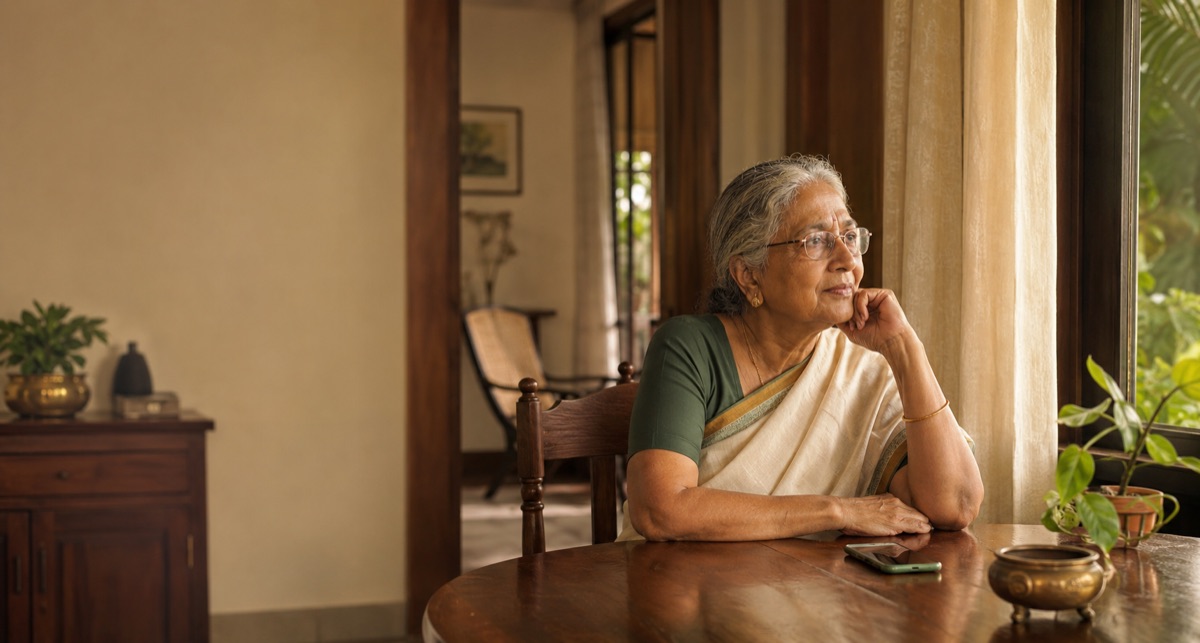
The biggest health risk facing India's elderly is not always a disease.
It is silence.
The silence of having no one to talk to. The silence of feeling invisible in a world that has moved on without them. The silence they keep to themselves, swallowing their worries, their loneliness, and their pain because they do not want to be a burden to the people they love.
Why is this a cause for concern?
Reports from Agewell Foundation have repeatedly highlighted loneliness, emotional neglect, and social isolation as major concerns among elderly Indians, especially among those living alone or feeling socially disconnected.
And yet, loneliness is rarely treated as the health crisis it truly is.
Research has linked chronic loneliness and social isolation in older adults to higher risks of dementia, heart disease, depression, poor treatment follow-through, and faster physical decline.1 Prolonged isolation can affect memory, attention, immunity, and overall wellbeing.2
The emotional toll is equally devastating: hopelessness, apathy, and a quiet withdrawal from life itself.
In India, the causes run deep
The breakdown of joint families, the migration of children to cities and abroad, widowhood, retirement, and digital exclusion have slowly unraveled the social fabric that once held many elders together.
In Kerala too, despite strong development indicators and close family culture, many senior citizens report feeling lonely, even when they are not physically alone.3
What this tells us is something profound:
You can be surrounded by people and still feel completely invisible.
And this is not a problem that will shrink with time.
India's elderly population is growing rapidly, making elder care one of the country's most urgent social and family challenges.3 This is not just a demographic shift. It is a defining moment.
If we choose to act now, we can build systems, communities, and relationships that truly support our elders.
If we do not, the silence will only grow louder.
For NRI families, this silence is especially painful
Many children living abroad call regularly, send money, arrange medicines, and try their best to stay involved. But distance makes it difficult to notice the small changes: a parent becoming quieter, skipping meals, avoiding appointments, losing interest, or saying "I'm fine" when they are not.
This is the gap Zeraphos exists to bridge.
We help families stay close through trusted in-person visits, companionship, coordination, and regular updates, so aging parents feel seen, heard, and supported.
Because for our elders, being seen and heard is not a luxury. It is care.
No elder should feel invisible
At the heart of what we do is a simple belief: no elder should feel invisible.
We show up so they feel seen. We listen so they feel heard. And in doing so, we hope to remind them that their stories, their wisdom, and their presence still matter deeply.
Because they do.
If you have aging parents in India, take the first step today. Start with the Parent Care Readiness Assessment or book a free consultation.
References
- Luchetti, M., Aschwanden, D., Sesker, A.A. et al. "A Meta-Analysis of Loneliness and Risk of Dementia Using Longitudinal Data from >600,000 Individuals." Nature Mental Health, 2024. doi.org/10.1038/s44220-024-00328-9
- Gerlach, L.B., Solway, E.S., Malani, P.N. "Social Isolation and Loneliness in Older Adults." JAMA, 2024. doi.org/10.1001/jama.2024.3456
- Abu Bashar, M.D., et al. "Elderly Loneliness: A Growing Public Health Challenge." Loneliness: The Ultimate Suffering in Modern Society, IntechOpen, 2025. doi.org/10.5772/intechopen.1011160
Zeraphos is not a hospital, clinic, or emergency service. This article is general information, not medical advice. For anything urgent, contact a doctor or emergency services.